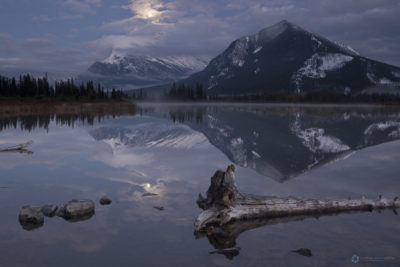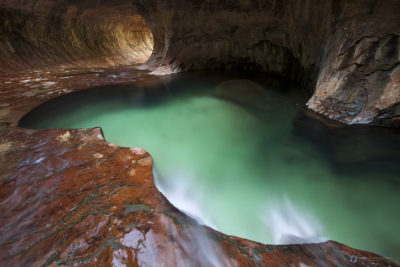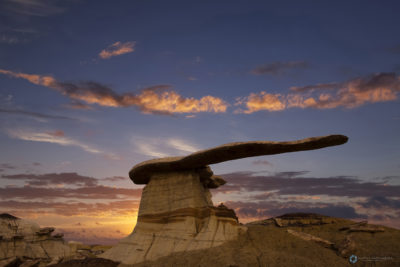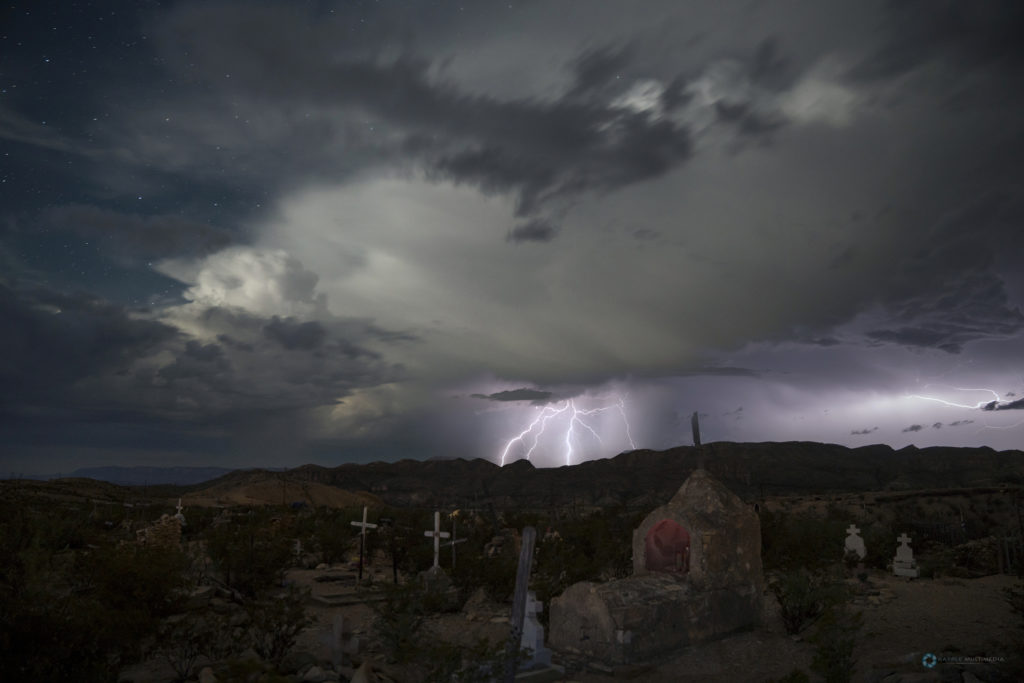
The Great Southwest Image Gallery...
This is the largest gallery on the site so give the thumbnails time to load.
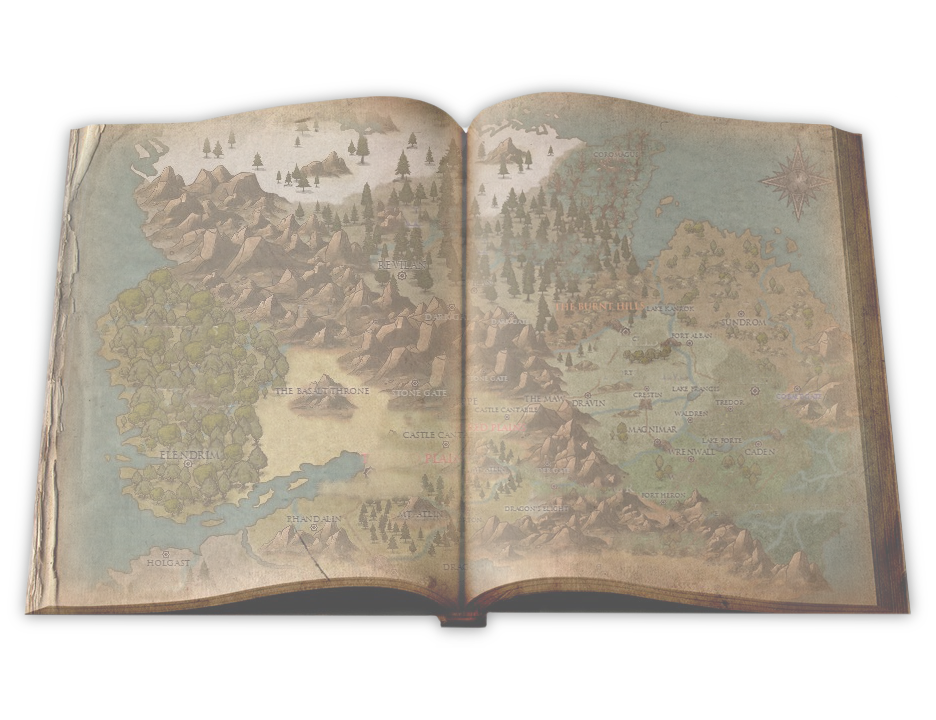
Where will you be coming from? From this point I will write as if you are coming from the east via I-40. I have been to the area 9 times in the last nine years. I think it’s impossible to see everything in one trip. But if you have two weeks you could stand a chance. Some points of interests on the map below are clickable and will take you to the indivdual photo galleries.
I usually will either come up hwy. 191 from I-40 past Canyon de Chelly, or exit hwy. 371 and go to the Bisti Badlands. From there I will cut up to Farmington and take hwy 64 to hwy. 191 and head north.
Since I have done the trip so many times I usually skip Monument Valley and head straight for the Canyonlands Needles District. Then on to Moab to visit the Arches national Park, Canyonlands Island in the Sky area and Dead Horse Point State Park. But later on in this story I will make some good suggestions of other hidden or off beaten places to visit along hwy. 191 as well.
You can easily expect to travel 1200 miles during your round trip of all the national parks in Southern Utah and areas in Northern Arizona alone. So I think it’s always good to plan the trip out well in advance knowing I usually change my mind as soon as I get here depending on the weather and sunlight. Being a landscape and nature photographer, the perfect light I seek will take precedence over me seeing everything since I know full well which ever trip I am on will never be my last here. I keep coming back usually year after year since I was bitten by the bug on my first trip to the area in 2000.
Bisti Badlands, New Mexico
Coming from Dallas Texas, my first stop is the Bisti badlands to get a sunset shot and maybe camp and also wait for a good sunrise shot. This is on BLM lands and does not look like much when you drive up to an empty parking lot. I usually arrive by 11am here and will either get out and scout for my sunset location, or wait for the evening light. I have been here three different times and know where to go now since I have explored it thoroughly now.
Canyonlands Neddles District
Next I drive to the Canyonlands Needles District and expect to spend two to three days here. Hikes in this area are a lot tougher and are usually 12 miles round trip depending on the location you are hiking to. My favorite place here is Chesler Park or Druid Arch. You will be taking the Elephant Hill trail to see these areas which will eventually split off down in a canyon to go see one of these two areas. If you are into off-roading, there are several good and famous four wheel drive roads that require high clearance to go explore. The most well known of them is Elephant hill. Others include Horse Canyon and the Colorado Overlook. You can stock up on supplies, gas and take showers at the Needles Outpost just outside the main entrance to the park. On your way either in or out, make sure you pull over at the Newspaper Rock Recreation site to see the petroglyphs.
Arches National Park and the Canyonlands Island in the Sky District
From here you will want to head into Moab to see the Arches National Park, Canyonlands Island in the Sky District and Deadhorse Point State Park. Stop by the Moab information center to get a list of other off road trails and things to see.
Hwy 279, Potash Road is a nice drive and you can also see petroglyphs along the road. If you are into a mountain bike challenge, you won't want to pass up riding Poison Spider Mesa that is along this road.
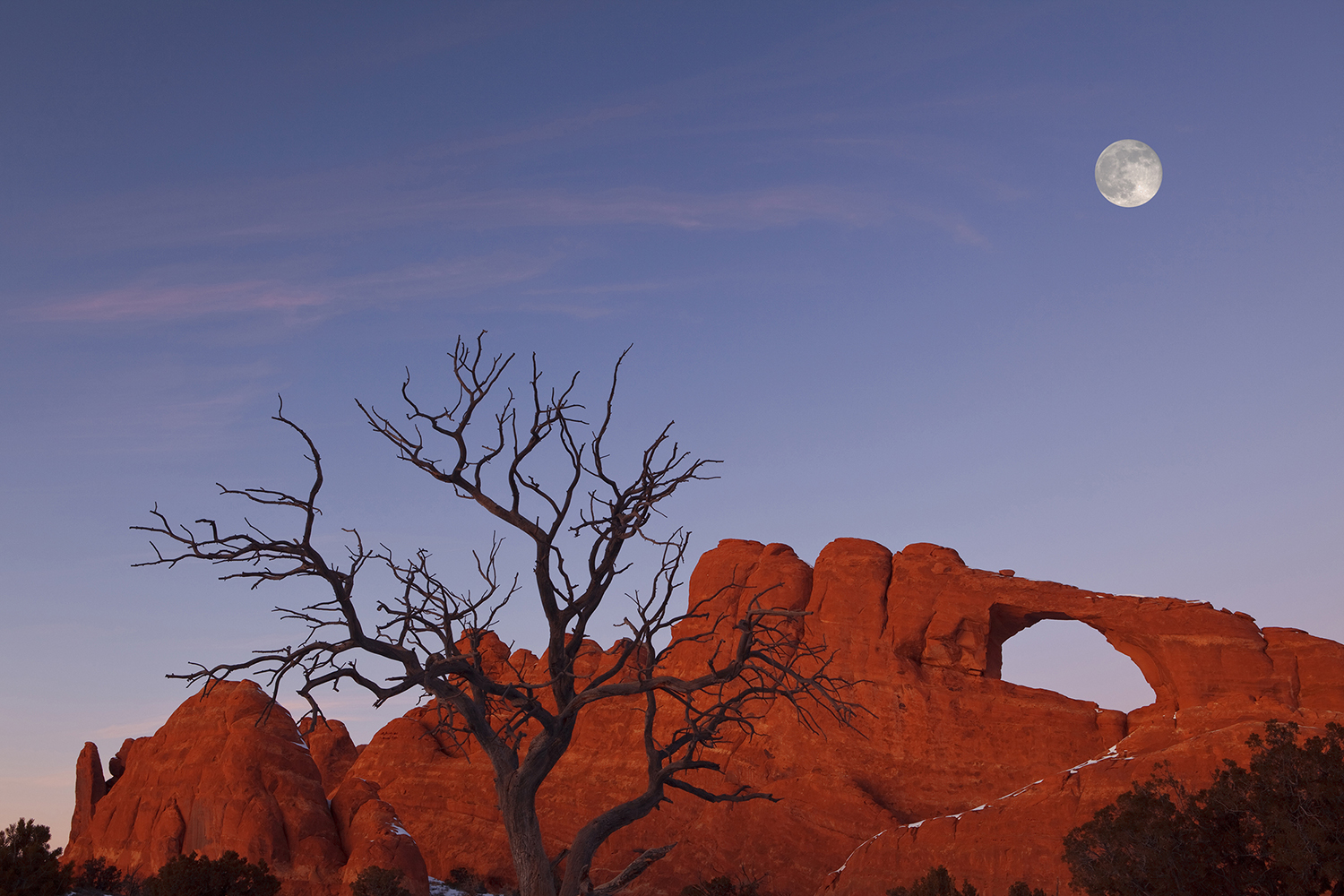
Plan to spend at least two days in the Arches. The hikes are pretty easy here but there is still a lot to see and photograph. I have been to this park more than any other in the nation. There is always different lighting or sunset each time you visit. Make sure you go on the Fiery Furnace hike. A lot of people skip this guided hike. Delicate Arch is a must see and is the most famous Arch. Photographed millions of times, I still hike it each time I visit. Camping can be a challenge depending on when you go. As late April tends to be the start of peak season, spots quickly run out. But there are plenty of other places along the Colorado River and around Moab to camp.
If you're a photographer, I suggest you go in early March or sooner. Or you will be fighting the busloads of tourists who will constantly wonder into your shot and not think anything is wrong by standing there in your way.
Next, head over to the Island in the Sky District. You can cover this in a day. Unless you are trying to get great shots for sunset and sunrise. Mesa Arch is a sunrise shot, so get there early. You will find plenty of other photographers there who had the same idea you and a million others have had over the years.
Gas up and stock up on supplies and head up to I-70 to make your way to Escalante. Take the exit to hwy. 24 towards Hanksville. Make sure you stop by and see Goblin Valley State Park. Strange looking rock formations called Hoodoos litter the valley floor here.
Goblin Valley State
Goblin Valley State Park is located between the towns of Green River and Hanksville. From Green River, travel west on I-70 for 12 miles to exit 147 (Hanksville) and head south. After about 30 miles turn right at the Temple Mountain/Goblin Valley Junction. Travel west on that road for about 5 miles and then turn left (south) and continue to the park entrance.
From hwy. 24, you have many options. I head on to Escalante but you could also head the Maze District of the Canyonlands. Take Utah Highway 24 south for 24 miles. A left hand turn just beyond the turnoff to Goblin Valley State Park will take you along a two-wheel-drive dirt road 46 miles (76 km) southeast to the ranger station.
From the ranger station, the canyons of the Maze are another 3 to 6 hours by high-clearance, 4WD (more if traveling by foot). Another four-wheel-drive road leads into the Maze north from Highway 95 near Hite Marina (driving time is 3+ hours to the park boundary). Heading to Escalante, stay on hwy 24 until you reach the junction of hey 12, just before Torrey Utah. Go south on hwy 12 through the Dixie National Forrest. You will see numerous turnouts of grand vistas as you wonder on hwy 12 towards Boulder Utah.
Lower Calf Creek Falls, Grand Staircase-Escalante National Monument Further down past Boulder you will approach Upper and Lower Calf Creek Falls. Here you will walk past beaver ponds and pre-historic rock art sites to the 126-foot-high Lower Calf Creek Falls. Roundtrip distance to the falls is 5-1/2 miles. The trip takes 3-4 hours but under 2 hours if walking quickly. While little elevation change is encountered, most of the trail is sandy, and can be very strenuous walking, particularly in warm weather. The trail is along the west side of the creek, mostly above the canyon floor which is covered by large areas of reeds and thick grass. The trail passes three Indian petroglyph sites and two ruined stone-built granaries in alcoves in cliffs at the far side. Calf Creek Recreation Site and Campground is located along Utah Highway 12, 15 miles east of the Town of Escalante.
|
![]() |
Hole in the Rock Road Hole in the Rock Road starts 4.5 miles east of Escalante on UT 12 and reaches the edge of Glen Canyon after 55 miles. The road can be severally wash boarded in most areas making for a rough ride, but doable in any car. You will just have to drive slow as to not be rattled to death. The last section after the Davis Gulch crossing is very rough and for high clearance, 4WD vehicles only. A lot of slick rock driving in this area. The first point of interest you will come upon is Devils Garden. This is a well photographed area with hoodoo looking rocks as well as the famous Metate Arch. Metate Arch has an opening span of 16 feet and a height of 22 feet. This is a good area to rest and has a few picnic tables for lunch before you venture down the rest of hole in the Rock Road. |
Zebra Canyon, Grand Staircase-Escalante National Monument From Hole In The Rock Road, follow Halfway Hollow down to its junction with Harris Wash. There are unmarked trails lead you to Harris Wash. Once in Harris Wash, head upstream or northwest about a quarter mile to the first drainage that comes in from the right or north, this is the Zebra Canyon wash area. The slot is located only a short distance up the wash. The rock coloration changes from plain greyish red to pink and white, delicately striped white/orange bands. It’s the only slot canyon with these types of colors. Stop by the BLM ranger station on the west side of Escalante for better directions and a topo map. They were very helpful with me on my first trip into the area. |
![]() |
Peek-A-Boo and Spooky Gulch Traveling down Hole in the Rock Road, approximately 26.5 miles you will come to a sign indicating the turn-off to Dry Fork wash on your left. Travel about 2 miles on this road, Keeping to the left. The road ends at the trailhead. Head out on the trail and stay to the left of the gully and pick a route that will take you to the bottom of the cliff and into Dry Fork. It’s a tight squeeze in these Slot canyons. Many times I had to take off the camera backpack and slide it under the rocks to crawl through. You can explore Spooky Gulch for about a mile in the snake turning slot canyon. |
Cottonwood Canyon Road - Grosvenor Arch Cottonwood Canyon Road is unpaved but a relatively popular cross-country route through Grand Staircase-Escalante National Monument, starting from Cannonville on UT 12, and eventually leading past Kodachrome Basin State Park and hooks up with US 89 near milepost 18. Some sections of the road are rather steep and narrow, but 2WD cars usually can make the 47 mile journey. The surrounding land has much of interest to explore. Grosvenor Arch is one of those areas. It is 30 miles from US 89 and 17 miles from Cannonville. This is a large double arch at the end of an isolated ridge of yellowish-white sandstone, and is one of the most photographed places in the national monument.
|
On to Bryce National Park
Heading west on hwy 12 just past Tropic lies the entrance to Bryce National Park. Bryce is famous for its unique geology of red rock spires and horseshoe-shaped amphitheaters. It is the uniqueness of the rocks that caused Bryce Canyon to be designated as a national park. These famous spires, called "hoodoos," are formed when ice and rainwater wear away the weak limestone.
I had a great time at Bryce National Park. Being on the road and hiking and camping for two weeks, this was a great place to relax and kinda take it easy. It is very tourist oriented which can be a bit of a pain with all the visitors there. But it was a nice change of pace compared to me roughing it in primitive camping and eating MRE’s all the time. My favorite spot here is Ruby’s Inn. They have a great buffet of food to eat here. Needless to say, I was pigging out for my meals here getting my energy back from the long hikes.
They also have some great shops here just before the entrance to the park. My favorite is the rock shop full of unique fossils. I stop by here each time I am in the area and pick up some kind of fossil being a bit of a rock hound.
The park is open 24 hours a day year-round. The visitor center is open year-round and is located 1.5 miles inside the park. Bryce Canyon National Park has two campgrounds, North and Sunset, located in close proximity to the visitor center, Bryce Canyon Lodge and the geologic wonder that is the Bryce Amphitheater. Backcountry camping is also available, or you can be a wimp and stay at the Lodge.
Coyote Buttes North and the South area and White Pockets
After Bryce you have two choices. You can go to Zion National Park, or head towards Kanab and go see many locations along hwy 89 leading to Page. Since I do not care for Zion National Park too much (too restrictive with busses taking you to trail heads) unless you plan on going to the Subway area, we will talk about heading towards Kanab and going to see the Wave at Coyote Buttes North.
You will need to get permits to visit the Wave at Coyote Buttes North and the South area. Click here to see Coyote Buttes South Photo Gallery. You can read all about the Wave area on my site here. While your plans may get side tracked here, you can always go see other places in the area. There is a lottery held each morning to get into Coyote Buttes North and South. So if you miss out, you can go see White Pockets. You can read more about White Pockets here. You will need a 4WD to see this area due to deep sands on the way in to White Pockets. Here is a link to the White Pockets Photo gallery.
![]() |
White Pockets Topo Map: White Pocket Map |
After exploring this area, head east on hwy 89 and visit the Rim Rocks. It’s an easy half mile hike to see them. Then on your way to Page, AZ, stop by and see the Wahweap Hoodoo’s just outside of Big Water, Utah. You can see more images at the Rim Rocks photo gallery. The Wahweap Hoodoo’s trail is a 4 mile hike following Wahweap Creek, which most of the time is dried up. There is another rangers station almost directly across the road you will take from Big Water. Check in with them and they supply detailed maps on how to get there.
As always and something very important to mention. Do not climb on the Hoodoo’s. They are very fragile. I can’t tell you how many times I have come across images of people standing too close to them or standing on them. Keep in mind these fantastic rock formations took millions of years to create and all it take is a little carelessness on your part to destroy something nature took so long to created. Preserve all the wonderful land marks you come across. Someone was already very selfish and careless and destroyed the Teapot Rock at Fantasy Canyon. It is now gone forever.
More to come...